
Hosting an AI Conference: What Makes a Great Presenter for the World's Fastest Growing Event Format
Artificial intelligence is no longer a niche subject confined to technology conferences. It is the defining conversation of our time, and it is happening at events across every sector imaginable. Financial services organisations are hosting AI summits for their leadership teams. Energy companies are convening AI-focused conferences for their partners and clients. Professional services firms are building entire event programmes around AI strategy, adoption, and governance. And across all of them, the same challenge keeps appearing: finding a host or moderator who can handle the subject with genuine intelligence rather than surface-level familiarity.
That challenge is real and it matters more than most event organisers initially realise. An AI conference audience is not a passive one. The delegates are typically informed, senior, and sceptical of anything that feels generic or underprepared. A host who treats AI as a buzzword to be dropped into transitions rather than a subject to be genuinely engaged with will lose that room quickly. The right host changes the entire quality of the event.
Why AI conferences are different
Every conference has its own demands, but AI events have a specific set of characteristics that make them particularly challenging to host well.
The subject matter moves fast. What was cutting edge six months ago may already be standard practice by the time the event takes place. A host who prepared their brief in January and has not updated it since will be caught out in front of an audience that is living and working in the space every day.
The audience is mixed. Most AI conferences bring together people with very different levels of technical knowledge, from engineers and data scientists who live in the detail, to CEOs and board members who need the strategic picture without the jargon. The host needs to bridge that gap constantly, translating technical content for a broader audience without patronising the experts in the room.
The conversations are genuinely complex. AI raises questions about ethics, governance, employment, regulation, and competitive advantage that do not have simple answers. A panel discussion on AI adoption in financial services, for example, requires a moderator who can navigate competing perspectives from technologists, regulators, and business leaders simultaneously, and draw out the insight that the audience came to hear.

Experience at the forefront of the AI event space
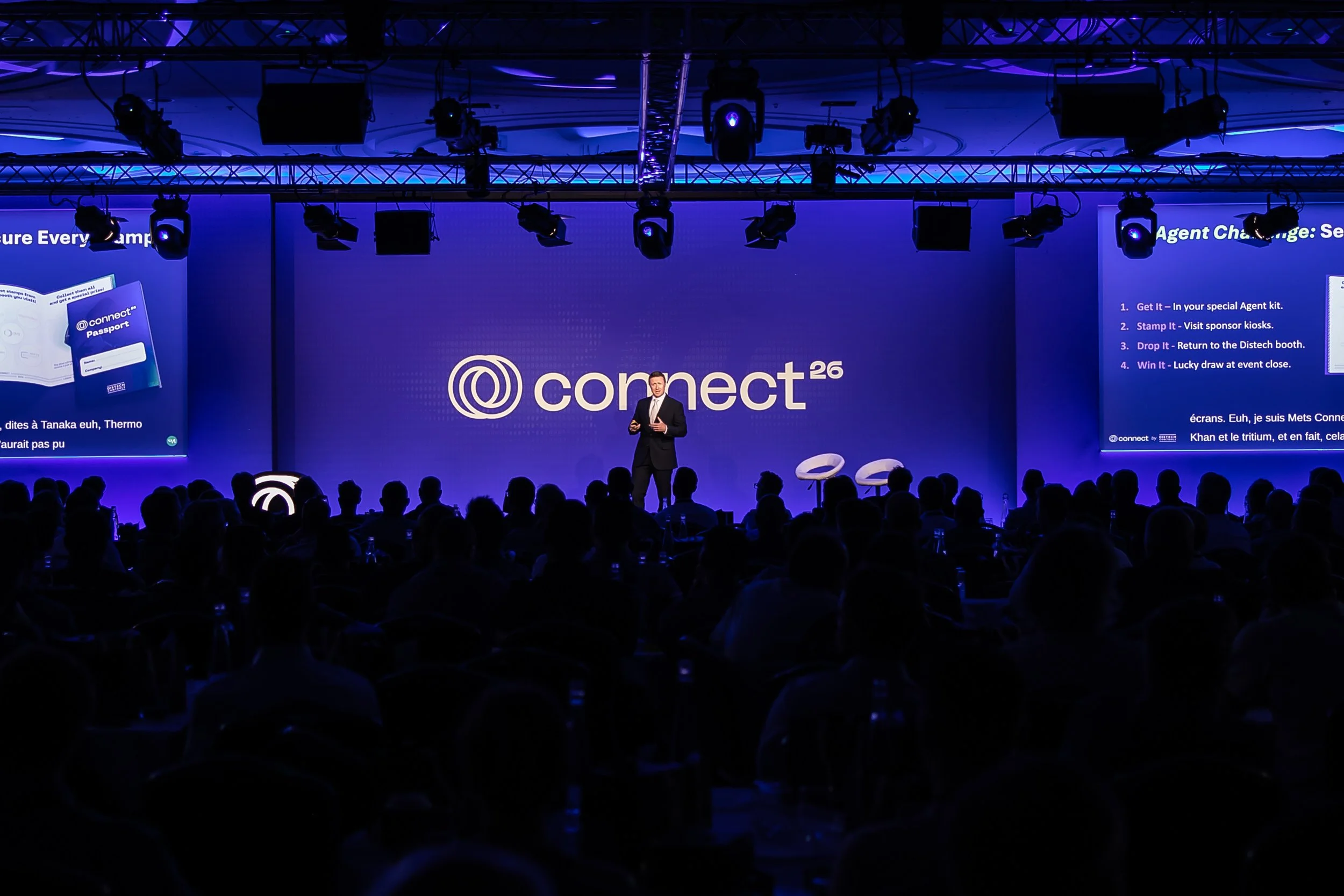
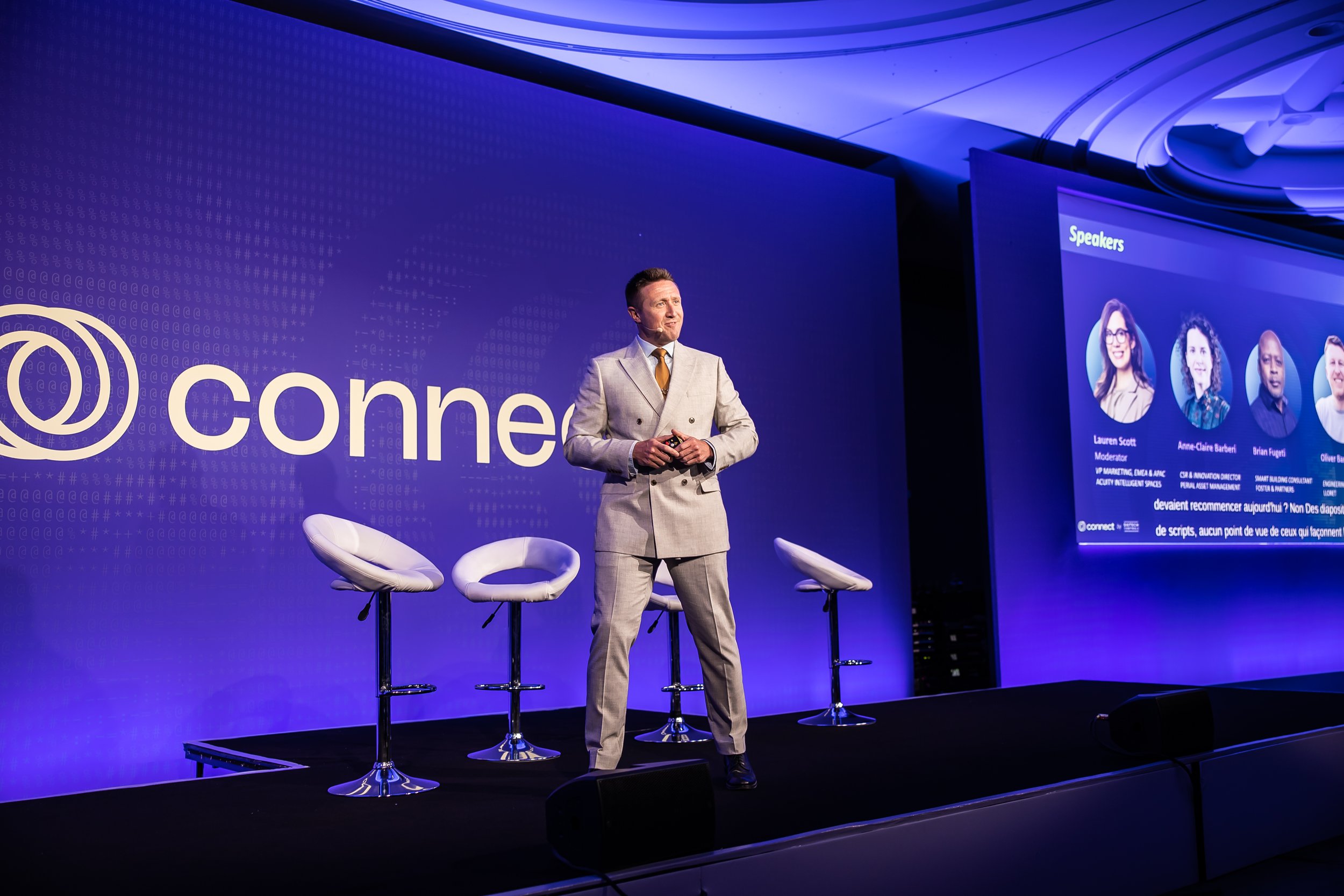
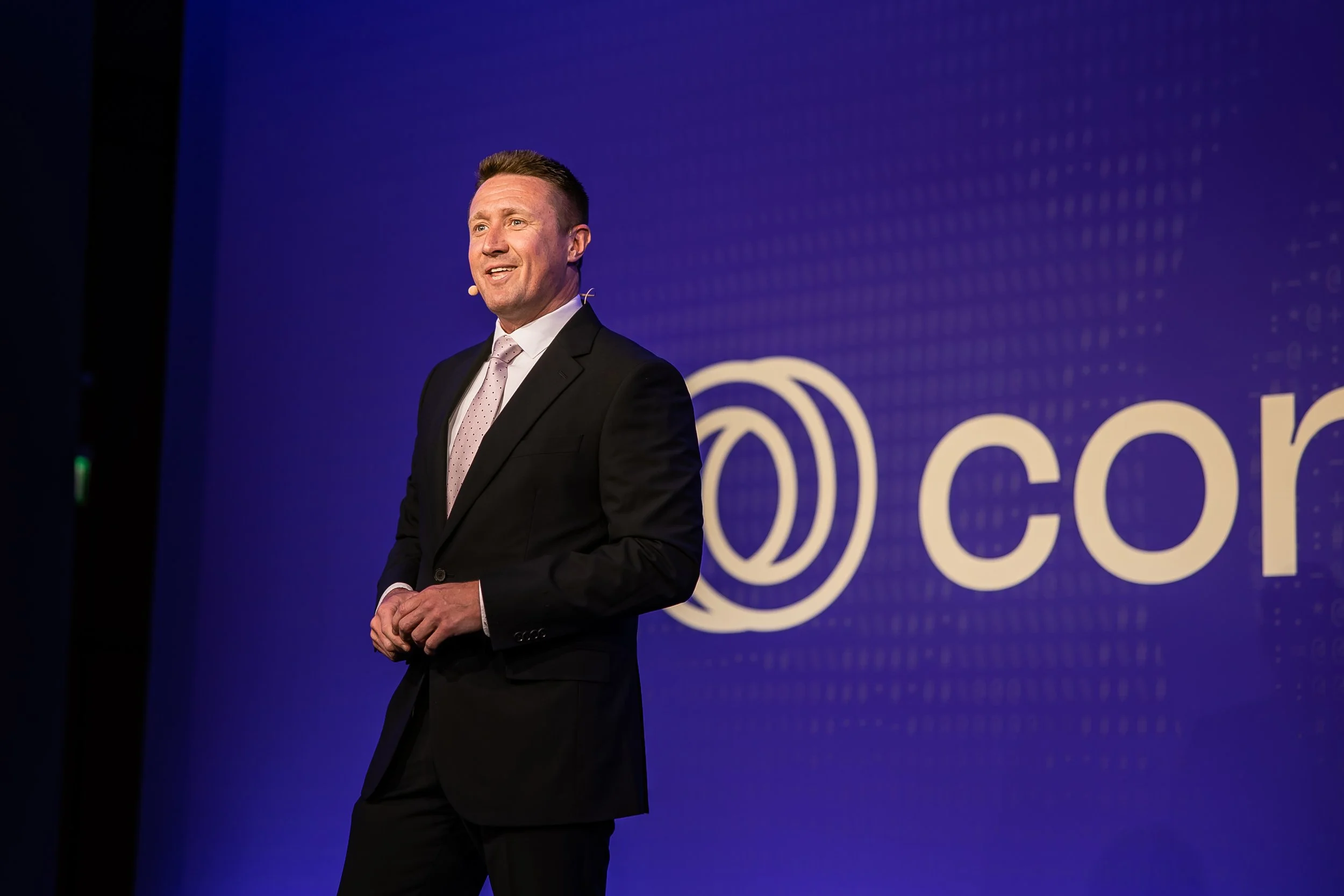
Matthew Walker has hosted numerous AI conferences, summits, and corporate events where artificial intelligence has been the central theme, across technology, finance, energy, healthcare, and professional services sectors. Most recently, Matthew hosted a partner summit for Anthropic, the company behind Claude, one of the world's leading AI organisations, at an intimate event with a high profile sports team. The feedback from the Anthropic team reflected the standard of delivery: "Thank you so much for knocking it out the park once again."
That credit sits alongside a wider portfolio of AI and technology conference work that includes events for Dunnhumby, Deloitte, HPE at the Milano Cortina Winter Olympics, and Distech Controls, among others. The breadth of that experience across different industries means Matthew understands not just the technology itself, but how different sectors are approaching AI adoption, what the specific concerns and opportunities are in each one, and how to facilitate conversations that are genuinely relevant to the people in the room.

The three skills that matter most in an AI conference host
Intellectual curiosity
AI is a subject that rewards genuine curiosity. A host who is genuinely interested in the technology, its implications, and the different perspectives in the room will ask better questions, facilitate more interesting conversations, and create an atmosphere in which speakers feel genuinely engaged rather than processed. Intellectual curiosity cannot be faked in front of an informed audience, and it is one of the clearest differentiators between a great AI conference host and a capable generalist.
The ability to translate complexity
One of the most valuable things a skilled moderator does at an AI conference is translate. Not between languages, but between levels of understanding. When a technical expert explains a concept in terms that only a data scientist would fully grasp, the host's job is to reframe it in a way that brings the rest of the room with it, without simplifying it to the point of inaccuracy. That skill requires both genuine engagement with the subject and a broadcaster's instinct for communicating complex ideas clearly.
Comfort with controversy and disagreement
AI is not a subject on which everyone agrees. Questions about job displacement, data privacy, algorithmic bias, and the pace of regulation generate genuine disagreement, even within a single organisation. A skilled AI conference moderator is comfortable holding those disagreements in the room, giving all perspectives a fair hearing, and ensuring that the conversation reaches somewhere productive rather than simply becoming a debate that goes nowhere. That requires confidence, authority, and the kind of live broadcast experience that Matthew Walker has spent 15 years developing.
The formats that work best for AI events
AI conferences tend to work best when the programme combines keynote presentations with genuinely facilitated panel discussions and audience Q&A sessions. The keynotes establish the landscape. The panels interrogate it. The Q&A connects it to the specific reality of the people in the room. A host who can transition seamlessly between all three formats, adjusting tone and approach without losing the thread of the day, is essential to making that structure work.
Hybrid formats are also increasingly common in the AI conference space, with remote participants joining from multiple locations and time zones. Matthew Walker's experience hosting international hybrid events, including a live broadcast to over 30 countries for Dunnhumby from a single London studio, means he brings specific expertise to the challenge of engaging both in-room and remote audiences simultaneously.
A growing market that demands the right standard
The volume of AI conferences, summits, and corporate events being produced is growing rapidly and shows no signs of slowing. As AI becomes embedded in the strategy and operations of virtually every major organisation, the demand for high-quality AI conference hosting and moderation will only increase. The organisations investing in these events are doing so because they understand the importance of getting the conversation right. The host they choose is central to whether they succeed.
Having hosted events for Anthropic, one of the world's most significant AI organisations, alongside a broader portfolio of AI conference and summit work across multiple sectors, Matthew Walker is one of the most experienced and credible AI conference hosts working in the UK today.
If you are planning an AI conference, technology summit, or corporate event where artificial intelligence is a central theme and want to discuss how Matthew Walker can help make it exceptional, get in touch at matthew@thestandoutcompany.com or call +44 (0)207 088 8085.