

How to Host a Multi-Day Conference: What Keeps Delegates Engaged from Day One to Day Two
A single day conference is demanding. A multi-day conference is something else entirely. The challenge is not simply doing the same job for longer. It is doing a fundamentally different job, one that requires a host to build and sustain a narrative across multiple days, manage the energy of an audience that will arrive fresh on day one and significantly more tired on day two, and create enough momentum and connection between sessions that the event feels like a coherent experience rather than a series of separate programmes that happen to share a venue.
Most conference hosts can manage a single day well. Far fewer can manage two or three days at the same level of quality throughout. Here is what separates the ones who can from the ones who cannot.
Think in narratives, not sessions
The single most important shift in approach for a multi-day conference is moving from session-by-session thinking to narrative thinking. A great multi-day conference has a through-line, a central idea or theme that everything connects back to, and the host's job is to make that through-line visible and meaningful to the delegates at every stage of the programme.
This means the opening of day one is not just an introduction to the first session. It is the establishment of a story that will not be concluded until the final moments of the last day. Every keynote, every panel discussion, every breakout session and networking opportunity is a chapter in that story. The host holds the thread between all of them, referencing back to what has already been said and forward to what is still to come in a way that gives delegates a sense of genuine progression across the programme.
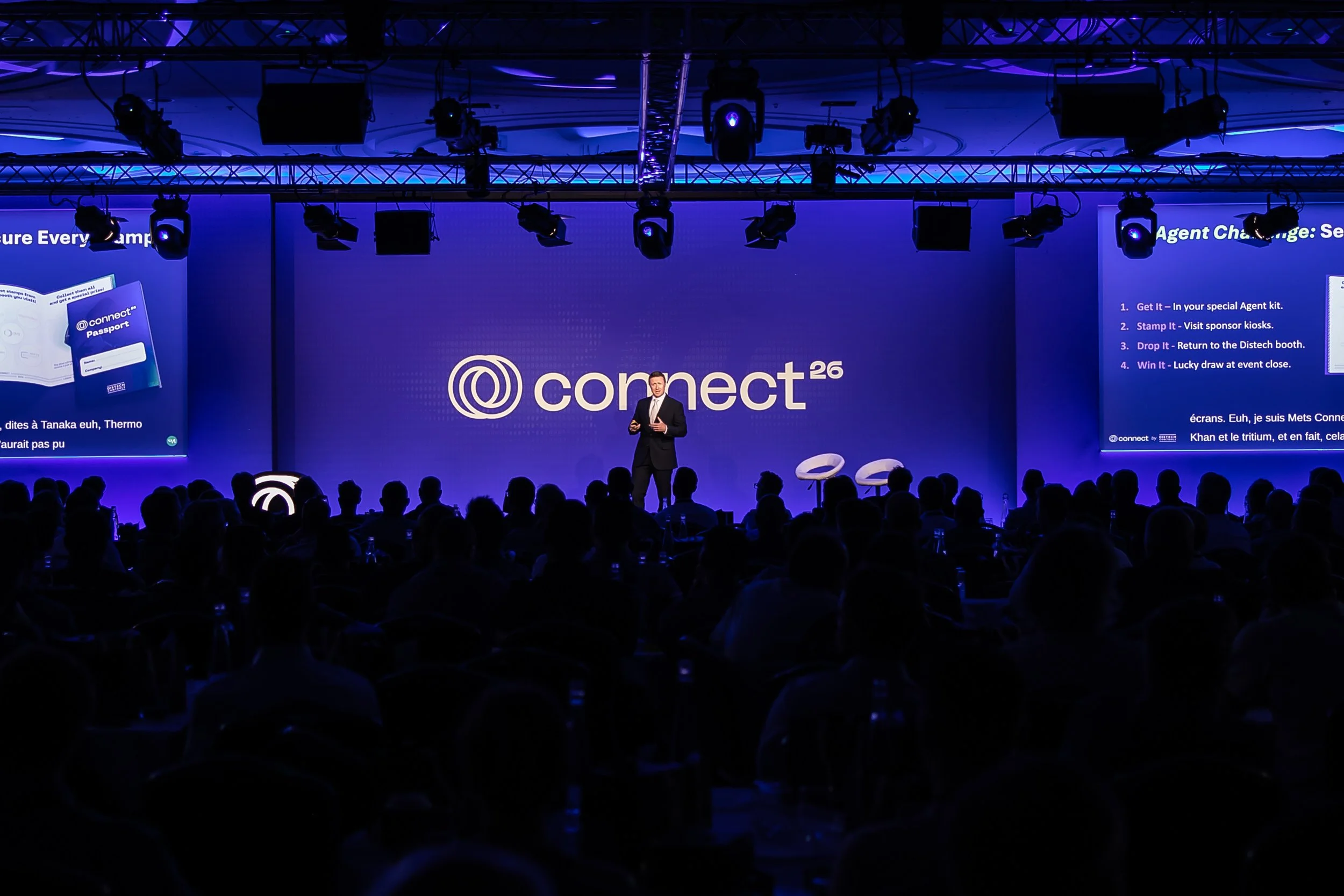
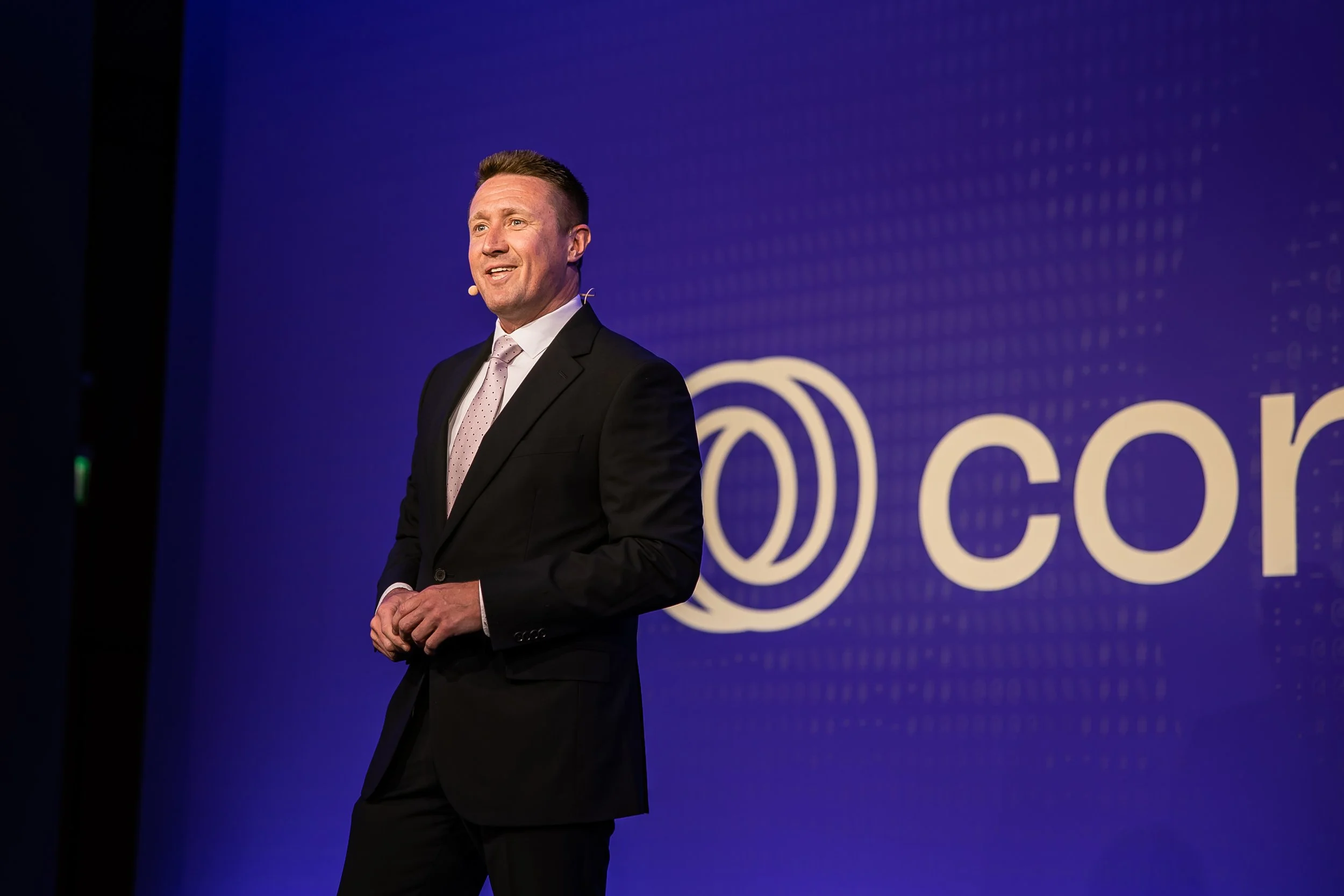
Matthew Walker has hosted multi-day conferences including Connect 2026 for Distech Controls at the Hilton London Metropole, the Snap Fitness UK Summit across multiple consecutive years at venues including De Vere Beaumont Estate, Center Parcs Woburn, and The Belfry, and international summits across the UK and Europe. In every case, the approach is the same: understand the narrative the client wants to tell across the full programme, and be the consistent voice that carries it from beginning to end.

Day one and day two are different jobs
The biggest mistake a multi-day conference host can make is treating both days identically. They are not the same event and they do not require the same approach.
Day one is about arrival, orientation, and energy. Delegates are fresh, curious, and slightly uncertain about what the next two days hold. The host's job on day one is to establish trust quickly, set the tone for the programme, and create enough energy and anticipation that the audience is genuinely invested in what follows. The opening on day one is the most important single moment of the entire conference.
Day two is a completely different challenge. Delegates have had a late evening, they are carrying the information from the previous day, and the initial excitement of arrival has settled into something more considered. The energy on day two needs to be rebuilt rather than created from scratch, and it needs to be rebuilt quickly. A slow start on day two is one of the easiest things to lose an audience to, and one of the hardest to recover from. The host needs to acknowledge the previous day specifically and warmly, connect it to what is ahead, and re-establish the momentum of the programme within the first few minutes of taking the stage.
This means being more energetic and expansive in the morning sessions and more focused and direct in the afternoon ones. It means reading the room continuously and making adjustments that the audience never consciously notices but feels the benefit of. And it means understanding that keeping delegates engaged across a full multi-day programme is a physical and mental endurance exercise as much as a presenting one, requiring the same stamina and consistency at the end of day two as at the start of day one.

The closing of a multi-day conference is the moment that matters most
The final moments of a multi-day conference are the ones that delegates carry home with them. Everything that has been said, demonstrated, and discussed across the full programme needs to be drawn together into a closing that feels conclusive, celebratory, and worth the investment of time every delegate has made.
A great closing does not simply summarise the programme. It distils it. It identifies the two or three ideas or moments that defined the conference, frames them in a way that gives delegates something to take back to their organisations, and sends the room away with a sense that the time was genuinely well spent. That closing is the last thing delegates remember. It should be the best thing they remember.
What to look for in a multi-day conference host
When appointing a host for a multi-day conference, the questions worth asking go beyond the standard checklist. Ask specifically about their multi-day experience. How many two or three day programmes have they hosted? How do they approach the transition between days? How do they manage their own energy across a full programme? And perhaps most importantly, how do they approach the closing session of a multi-day event?
The answers will quickly reveal whether a host has genuinely done this at the level your conference requires, or whether their experience is primarily in single day formats that happen to have run across consecutive days.
If you are planning a multi-day conference, international summit, or annual partner event and want to discuss how Matthew Walker can help make it exceptional, get in touch at matthew@thestandoutcompany.com or call +44 (0)207 088 8085.