
How to Moderate a Panel Discussion: How the Right Presenter Can Turn a Good Panel Into a Great One
Panel discussions are one of the most common formats in corporate conferences and live events. They are also one of the most consistently disappointing. The format has enormous potential: a group of knowledgeable people, a live audience, and the opportunity for a conversation that goes somewhere genuinely valuable. In practice, that potential is rarely fulfilled. The panellists deliver prepared statements in sequence. The questions are predictable. One voice dominates. The audience disengages. And the session ends with the feeling that something was missed.
The difference between a panel discussion that fulfils its potential and one that does not is almost always the same thing. The moderator. Specifically, whether the moderator is a professional with genuine experience in the format, or someone who has been handed the role because they happened to be available on the day.
What a great panel discussion actually requires
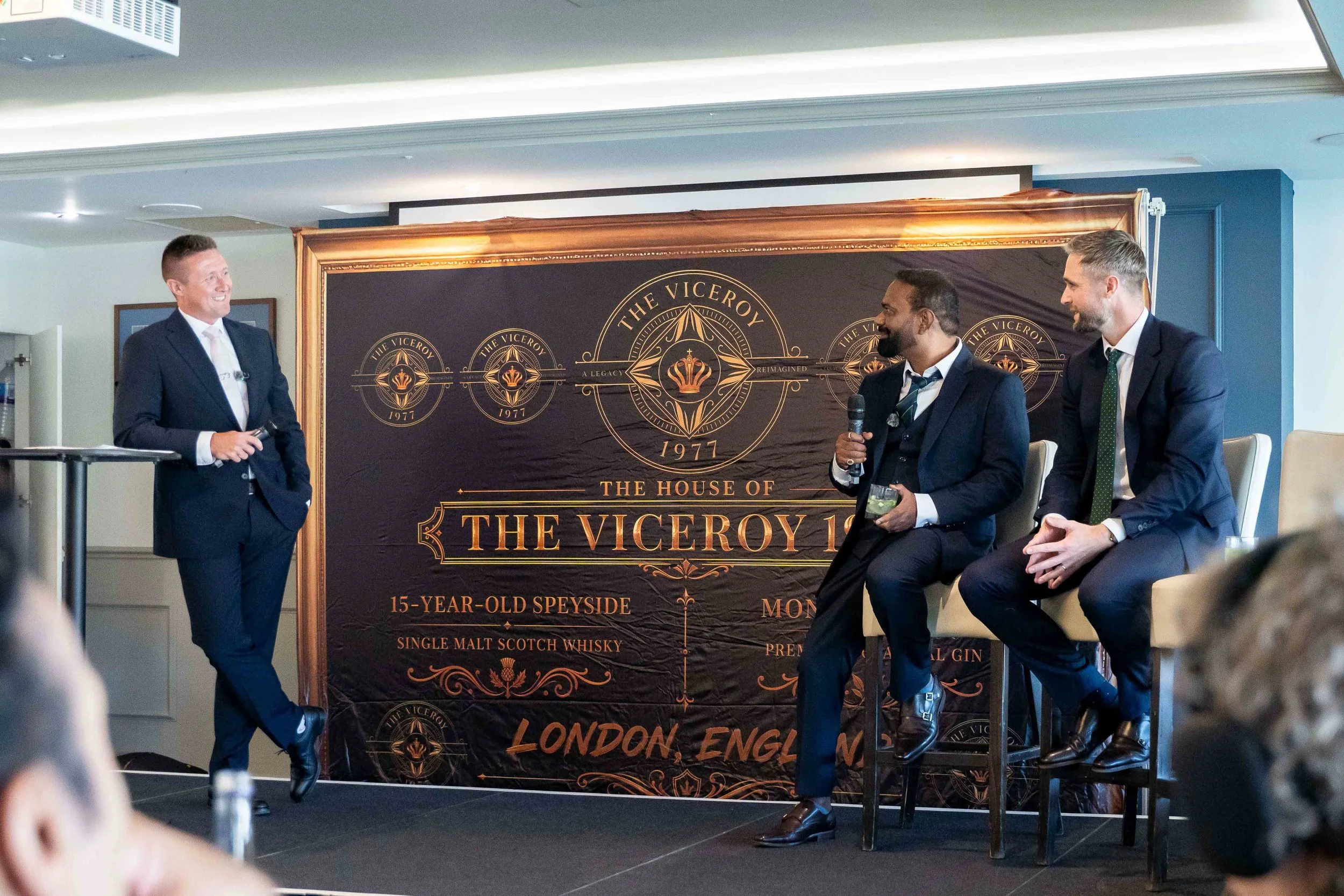
A great panel discussion requires three things that most people underestimate until they have experienced their absence. It requires a moderator who has prepared more thoroughly than anyone else on the stage. It requires someone with the confidence to redirect the conversation when it loses momentum, even if that means gently interrupting a senior figure who is making a point the audience has already absorbed. And it requires someone with the broadcasting instinct to know when to slow down, when to push harder, and when to open the floor in a way that genuinely serves the audience rather than simply following the format.
None of these things happen automatically. They are the product of experience, preparation, and a specific kind of professional skill that only develops through repeated exposure to live panel formats at the highest level.

The preparation that happens before anyone takes the stage
The quality of a moderated panel discussion is largely determined before the event begins. A professional moderator researches every panellist thoroughly, not just their biography and job title but their published thinking, their known positions on the subject, and the potential points of tension or agreement between them. That research is what allows the moderator to ask the follow-up question that nobody was expecting, to introduce a perspective that was missing from the conversation, and to challenge a statement that deserves to be challenged rather than simply moving on to the next question.
Matthew Walker prepares for every panel discussion he moderates with the same thoroughness he brings to a live television broadcast. That means reading the brief in full, researching every speaker, understanding the specific outcomes the client is trying to achieve from the session, and arriving on the day with a line of questioning that is designed to take the conversation somewhere genuinely valuable rather than simply covering the ground on the agenda sheet.
Creating dialogue rather than managing statements
The most common failure mode in a panel discussion is a series of prepared statements delivered in sequence with minimal genuine interaction between the panellists. Each speaker makes their point. The moderator thanks them and moves to the next question. The audience watches but does not really listen, because the exchange has no tension, no surprise, and no sense of going anywhere they could not have predicted from the programme.
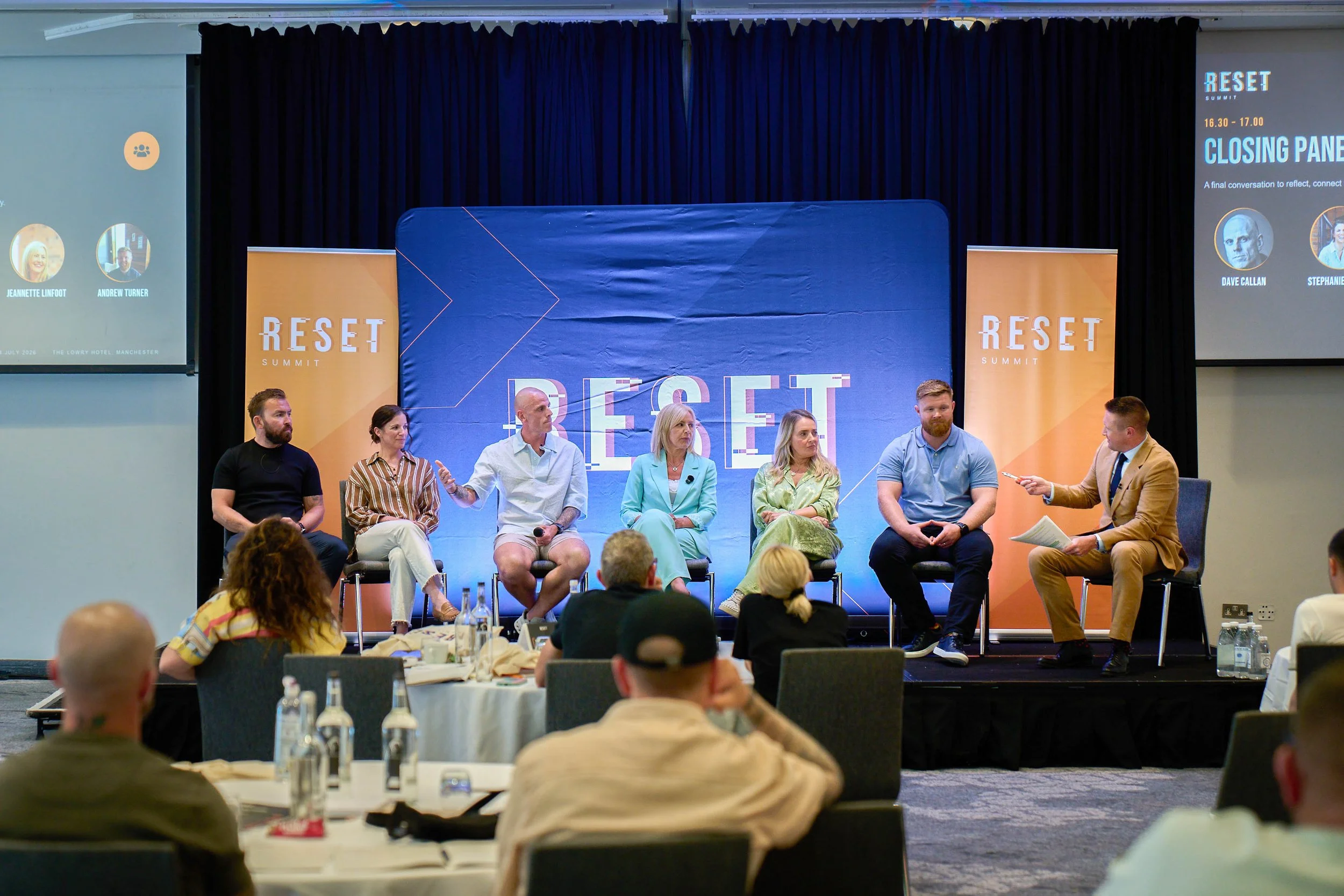
A skilled moderator prevents this by actively creating dialogue. That means directing questions between panellists rather than always back to the moderator. It means inviting a specific panellist to respond to a point made by another. It means surfacing the disagreement that everyone in the room can sense but that the panellists are too polite to articulate directly. And it means knowing when to step back and let a genuine exchange develop without interrupting it.
These are not instincts that can be briefed into someone on the morning of an event. They develop through years of experience moderating live panels in front of expert audiences who know immediately when the conversation is genuine and when it is being managed toward a predetermined conclusion.
Managing the dynamics of the panel
Every panel has dynamics that the moderator needs to manage. There is almost always one panellist who speaks more than the others and needs to be gently redirected. There is often one who has something genuinely valuable to contribute but is reluctant to push for the floor. There are moments when the conversation drifts away from the subject and needs to be brought back. And there are moments when it goes somewhere unexpected and needs to be followed rather than shut down.
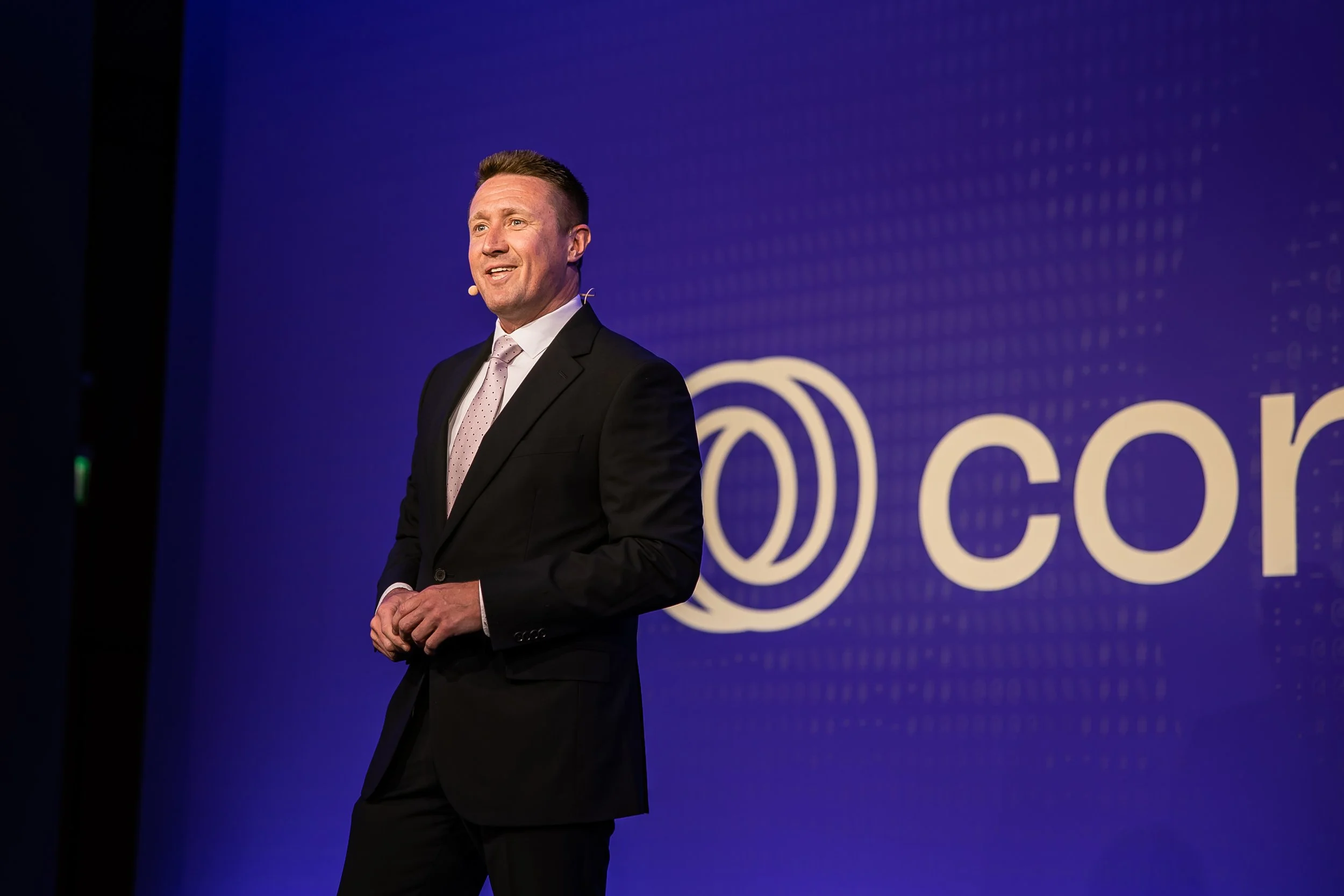
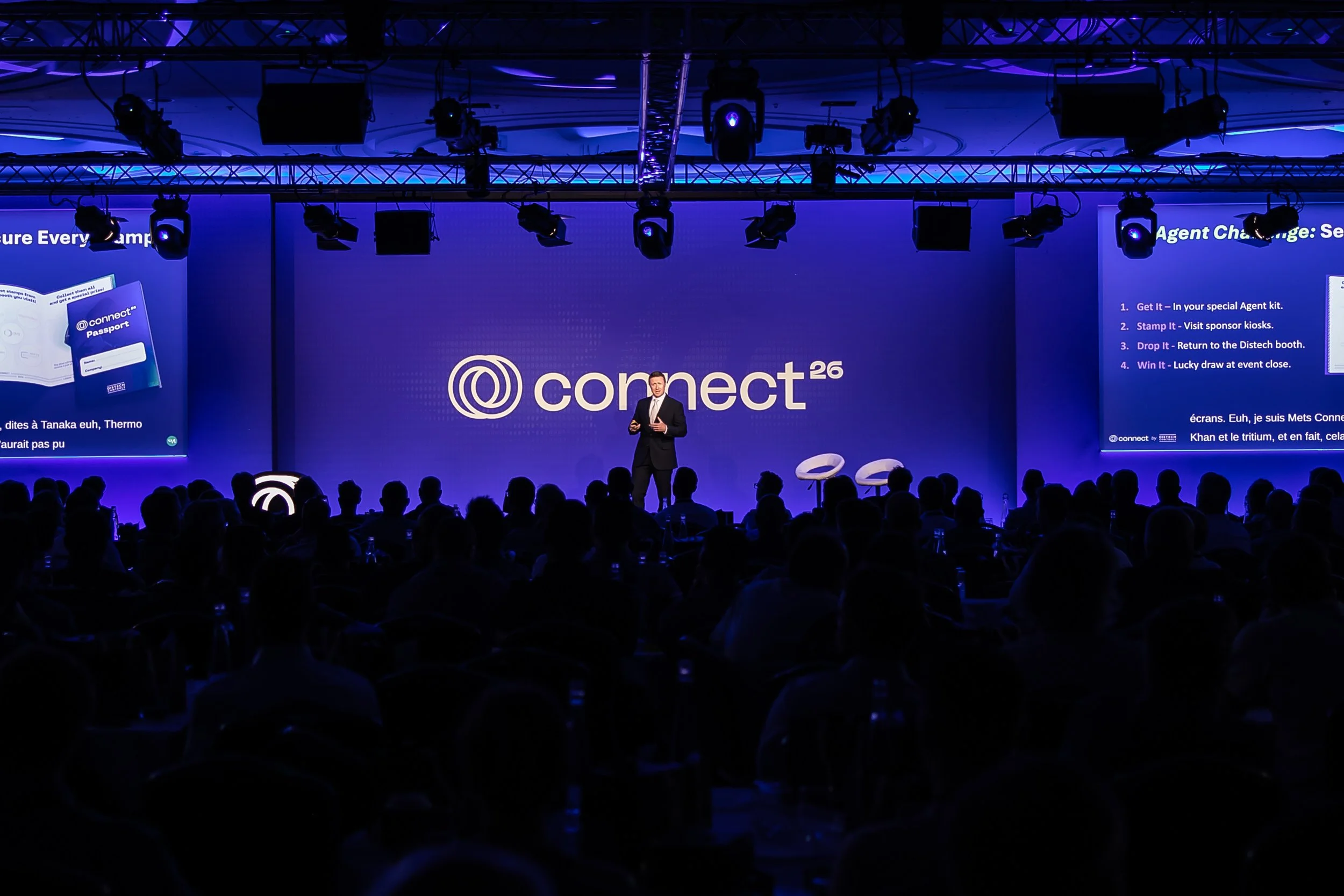
Managing all of these dynamics simultaneously, in real time, in front of a live audience, while keeping one eye on the clock and one eye on the energy in the room, is the core skill of panel moderation. It is a skill that Matthew Walker has developed across years of moderating panels for clients including Anthropic, Dunnhumby, Deloitte, Distech Controls, and HPE at the Milano Cortina Winter Olympics, across sectors including technology, finance, AI, energy, healthcare, and professional services.
The live Q&A: the most unpredictable part of any panel
The live Q&A session is the part of a panel discussion that most moderators handle least well. Audience questions are unpredictable by nature, and without a skilled moderator to filter, frame, and facilitate them, a Q&A session can quickly become either too narrow, dominated by one or two persistent questioners, or too broad, with questions that the panel is not well placed to answer.
A professional moderator manages the Q&A with the same authority they bring to the main discussion. They ensure that questions are clear before passing them to the panel. They direct specific questions to the panellist best placed to answer them. They manage time fairly across multiple questioners. And they handle challenging, unexpected, or poorly framed contributions with composure and authority, ensuring that the session adds genuine value to the day rather than derailing it.


The difference the right moderator makes
The best moderated panel discussions feel like genuine conversations rather than managed exchanges. The panellists feel genuinely heard and challenged. The audience leaves with something they did not have when they arrived. And the organiser feels that the session delivered the outcomes they were hoping for rather than simply filling the slot on the running order.
That difference is the result of appointing the right moderator, someone who prepares thoroughly, manages the dynamics of the room with authority and instinct, and understands that their job is not to be the most impressive person on the stage but to make the conversation around them as valuable as it can possibly be.
"Matthew is the safest pair of hands in the business." Jordan Walker, Connectin Events. If you are planning a conference, leadership forum, or panel discussion and want to discuss how Matthew Walker can help make it exceptional, get in touch at matthew@thestandoutcompany.com or call +44 (0)207 088 8085.